From Hormuz to Lisbon -- How a distant war is squeezing Portuguese pockets

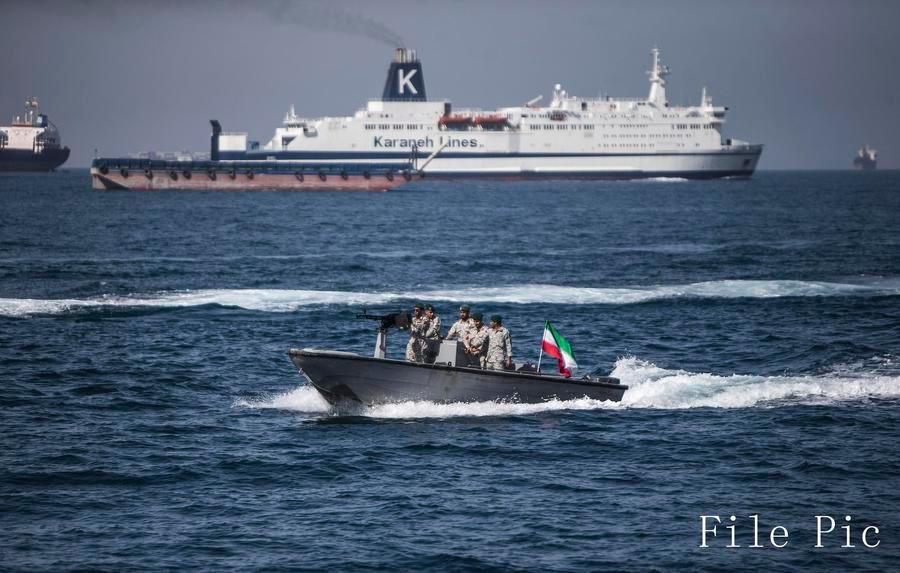
As tensions between the U.S.-Israeli force and Iran escalated in March, raising fears over the security of one of the world's most critical oil transit chokepoints, Portugal found itself exposed to a conflict in which it had no part.
LISBON, March 18 (Xinhua) -- The Strait of Hormuz is nearly 6,000 km from Lisbon, yet for Tiago Santos, a Brazilian immigrant working as a salesman in the Portuguese capital, that distance is shrinking as it increasingly shows up in his grocery receipts.
"The salary stays the same, but the expenses keep going up," Santos said to Xinhua, voicing an anxiety shared by millions in this Atlantic nation on the western fringe of Europe. "Even if the war is far away, the effect reaches people's daily lives very quickly."
As tensions between the U.S.-Israeli force and Iran escalated in March, raising fears over the security of one of the world's most critical oil transit chokepoints, Portugal found itself exposed to a conflict in which it had no part.
The country imports almost all of its fossil fuels, leaving it highly vulnerable to global energy shocks. Natural gas prices have already spiked by as much as 30 percent during peak tension moments. Analysts warn the worst may be yet to come.
"This is a classic supply shock: energy becomes more expensive and scarce, raising production costs across virtually the entire economy," said economist Oscar Afonso, flagging a transmission mechanism that reaches from oil tankers in the Persian Gulf to supermarket shelves in Porto and Faro.
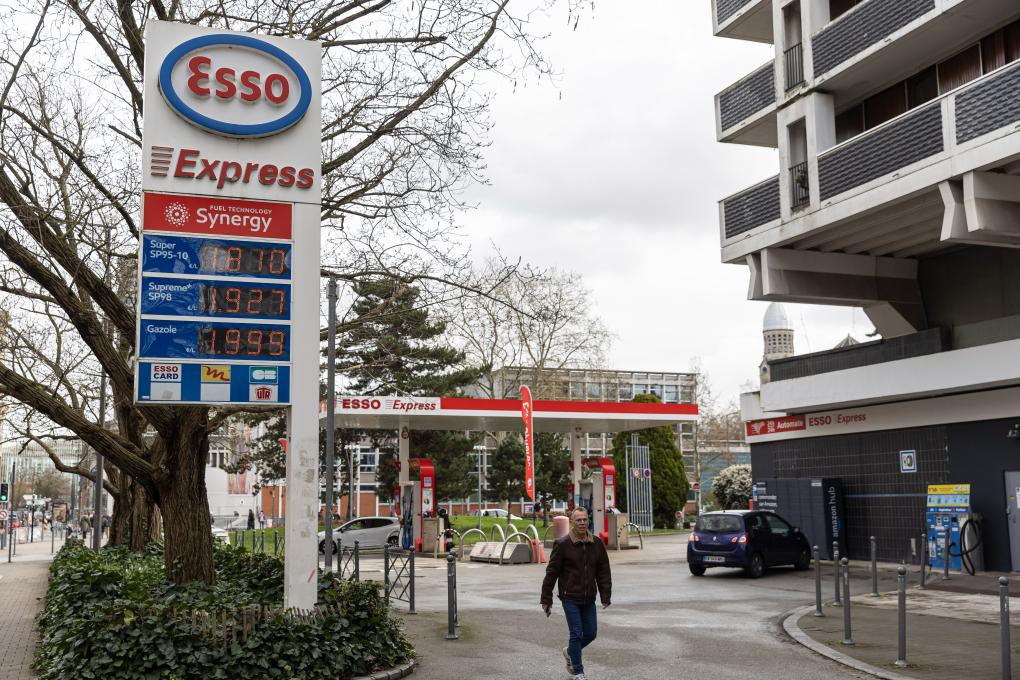
The risk is visible. Rodrigo Costa, president of Redes Energeticas Nacionais (REN), the company responsible for guaranteeing uninterrupted electricity and gas supply to mainland Portugal, is watching the situation with concern.
"Fuel prices are already changing, and those changes always have an impact on the final prices of natural gas and electricity," Costa said. Should the conflict deepen further, "there will certainly be very serious disruptions in supply chains, with general repercussions across all sectors," Costa warned.
Portugal's government has signaled readiness to act. During a parliamentary debate earlier, Prime Minister Luis Montenegro said, "If petrol and diesel register a sharp rise, the government is open to a discount on the ISP (Portugal's fuel tax) ... to mitigate the impact."
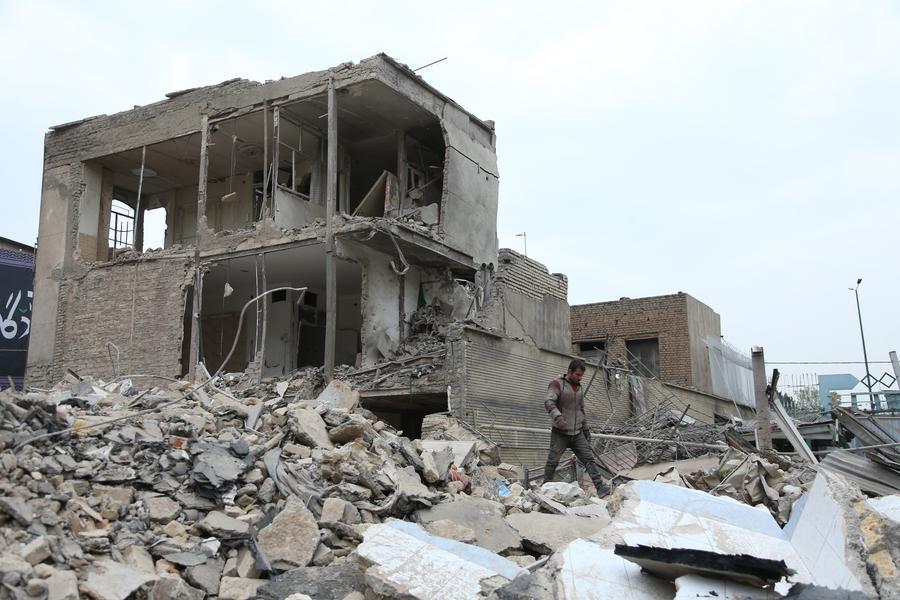
In the industrial sector, the pressure on energy bills is tangible. Anibal Campos, chief executive of Silampos, a Portuguese manufacturer with significant export activity, described a logistical nightmare unfolding in real time: around 500,000 euros (577,000 U.S. dollars) worth of goods are currently stuck at ports in Dubai and Saudi Arabia.
"The orders have not been cancelled, but they are suspended for logistical reasons," he said. This echoes the predicament of multiple exporters, indicating the outline of an economic slowdown.
The Confederation of Portuguese Industry (CIP) officially sounded the alarm. In its March 2026 business barometer, director-general Rafael Alves Rocha warned of slowing activity alongside mounting disruption, urging the government to extend direct support to vulnerable companies.
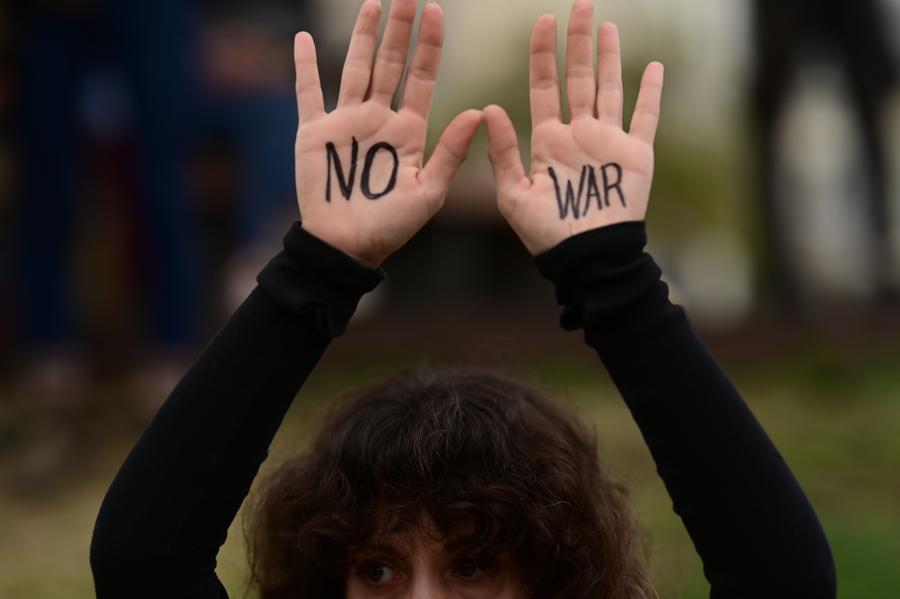
Projections from the Bank of Portugal and the CIP/ISEG barometer now place economic growth for 2026 in a range of 1.8 percent to 2.2 percent - a meaningful downward revision from earlier estimates, with geopolitical instability cited as the primary drag.
Beyond industry, tourism - a pillar of the economy - is also at risk, as higher travel costs and weaker global demand could curb arrivals.
"The rise in energy prices is also putting pressure on food prices. Lower purchasing power will reduce business activity," said businessman Luis Fernandes. "Our company has not been immune."
The most insidious fear, however, may lie in the interest rate outlook. Portuguese households carry some of the highest mortgage debt burdens in Europe, much of it at variable rates. Economists warn that a new inflationary wave triggered by energy costs could prompt the European Central Bank to pause - or even reverse - its rate-cutting cycle, locking families into elevated monthly payments for longer than expected.
Back in Lisbon, the impact of the Strait of Hormuz situation is tangible. Standing at a supermarket checkout, Santos told Xinhua: "With fuel more expensive, transport costs go up, food goes up, electricity goes up - and it hits families directly." ■









Comments